

Analysed: how likely each Cabinet minister is to lose their seat
While the chances of the next government being Tory-led are negligible, many top Tories risk losing their seats as well as their role as minister.

At this point, Rishi Sunak may be the only person left who thinks that the tories have a chance of winning. In fact, he probably doesn’t think that he can win, but maintains the persona to try win back voters.
At this point, polls seem to be calculating whether the result will be a Labour landslide, or a Tory armageddon. Either way, every cabinet minister will therefore lose their ministerial responsibilities, reduced to a ‘shadow’ for the first time since 2010. But how many are also expected to lose their seats?
We’ve broken down whether we expect that ministers’ seats are either:
SAFE (i.e. expecting a reasonable Tory majority)
MARGINAL (i.e. the result is too early to call at this stage)
LOST (i.e. the chances of them winning their seat is too low to close the gap before the election)
Note beforehand: due to the boundaries being withdrawn, some MPs will not have a seat directly corresponding to the one they currently hold. Therefore, we will analyse the most similar seat to the pre-2023 boundaries. However, they may choose to stand in another newly-drawn local seat, especially if there is a higher chance of them winning there.
Rishi Sunak
Richmond (Yorks); conclusion: SAFE
In 2019, Sunak saw an incredibly majority of 46% (23,000 votes). With Labour a not-at-all-close second place, there would need to be an unholy 23% swing for Labour to overtake, presuming all lost conservative voters moved to Labour.
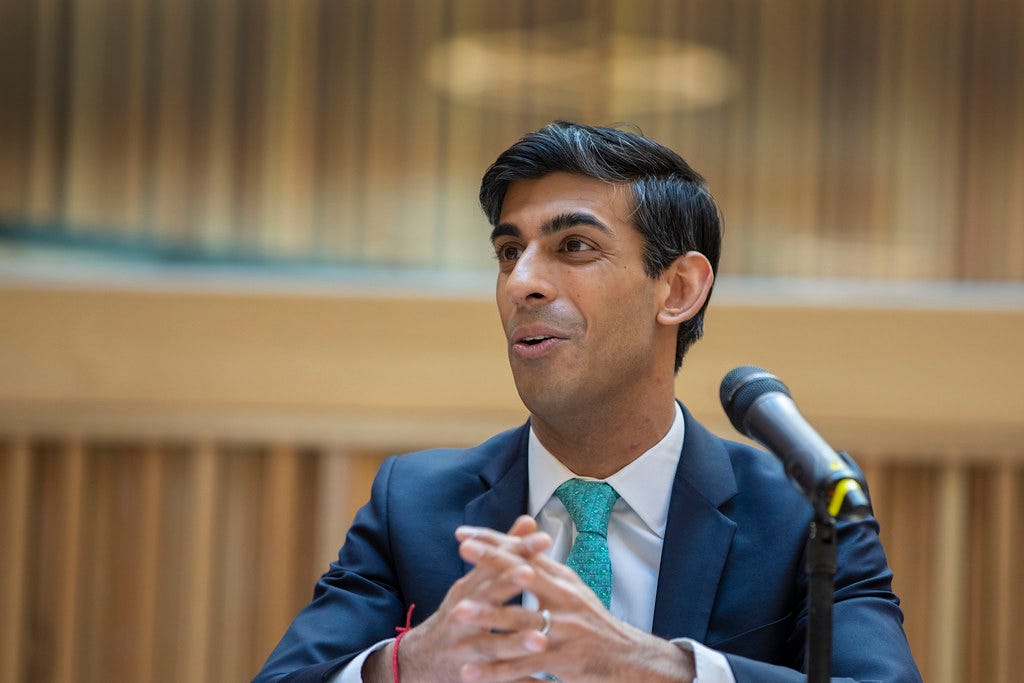
While Sunak’s time as PM is clearly over, and he may not last long as Leader of the Opposition either before the few Tory MPs left oust him, at least his seat looks perfectly safe for him at the next election.
Watch LBC ask Sunak’s constituents about their voting intention for the next general election here (please finish the article first)
Oliver Dowden
Hertsmere; conclusion: SAFE
Like Sunak, Dowden’s majority of 43% in 2019 would make you think that he was completely safe from any significant movement towards Labour. But Electoral Calculus predicts a 36.2% swing to Labour. However, this would not be nearly enough to throw out the Deputy PM.
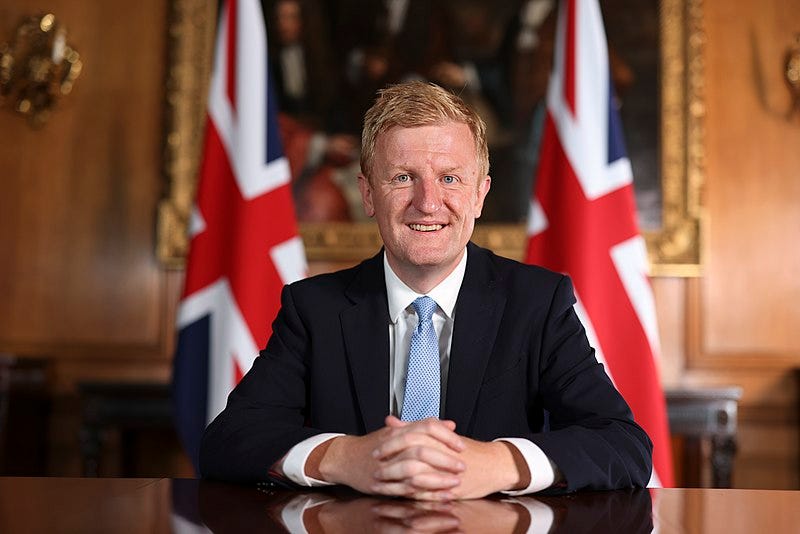
One thing Dowden has benefitted from is the boundary changes - he’s gained a couple of highly Conservative wards, which may boost his winning chances. The truth is though, by the time he’s unseated there will barely be any tories left at all.
Jeremy Hunt
South West Surrey;1 conclusion: MARGINAL
Hunt’s 2019 majority was only 14.6%, but after the boundaries ripped up and redefined his local area, the implied majority is now over 22%. The Lib Dems are the ones with the highest chance of taking the Chancellor’s seat, needing about a 12% swing, something that could easily be achieved judging by the ridiculous swings we’ve been seeing in polls and by-elections.
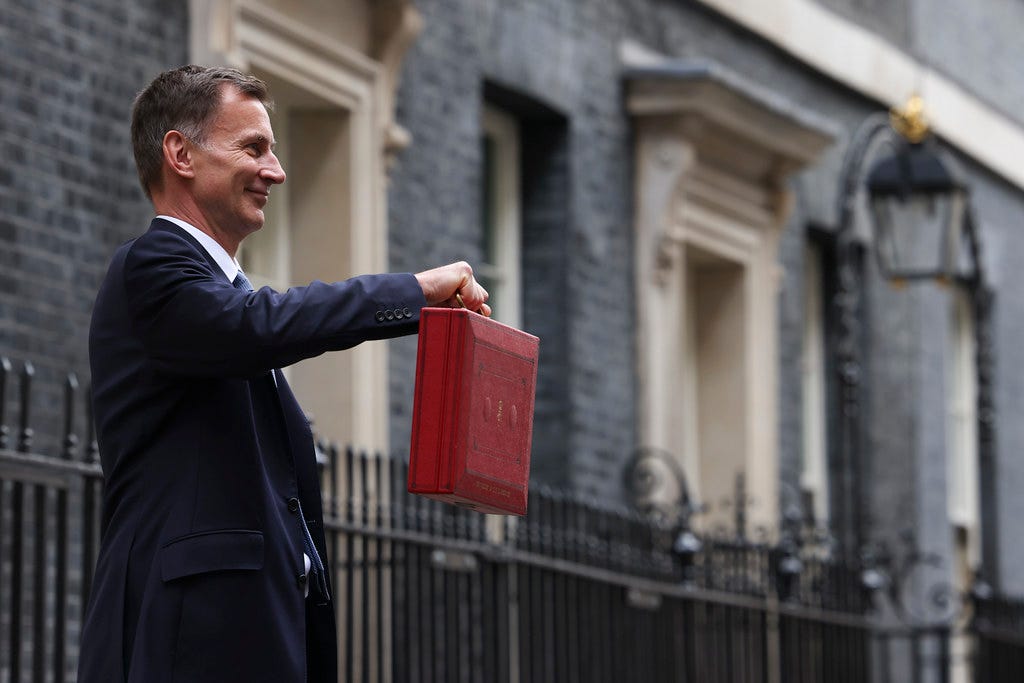
The Lib Dems are also known for their effective concentration of campaign resources into target seats, an advantage of their smaller size and therefore more focused attitude when it comes to election gains. This may be the type of majority that has eroded in the past five years, and culminates in a very happy July 5th surprise for Ed Davey.
This was realised in a constituency opinion poll giving the Lib Dems a six-point lead over the Tories as reported by the Guardian here. This is definitely one to stay up for on election night, and its result could possibly be seen as a wider indicator for the Tory and Lib Dem performance in the election. Another thing worth considering is the tactical vote - what proportion of the 22% reported to be backing Labour would rather vote for the Lib Dems to cement Hunt’s departure from the commons?
Lord Cameron
Conclusion: N/A
Cameron is one of the two Lords in cabinet, and therefore he does not have a seat in the commons. No seat means no seat to lose. However, it is worth noting that his Tory replacement is likely to keep the seat at the upcoming election.
James Cleverly
Braintree; conclusion: SAFE
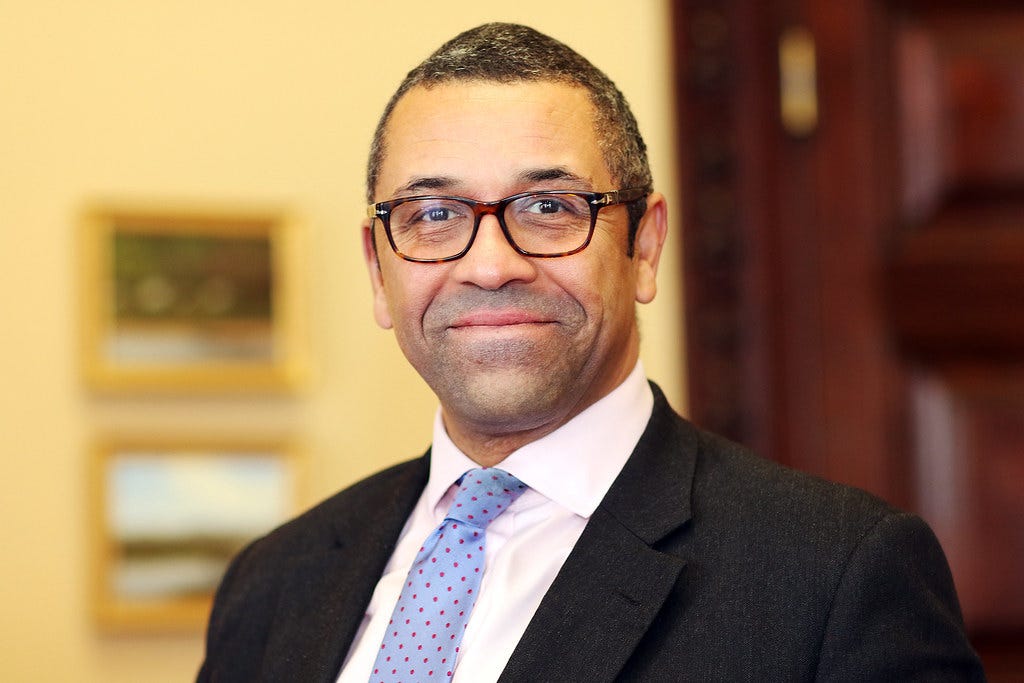
When it comes to large majorities, Cleverly’s is mind-boggling: he had a 48.9% lead over Labour in 2019, meaning even a 25% Conservative to Labour swing would barely be enough to lose him his seat. Despite rumours, he has confirmed that he is standing at the upcoming election. By the time he’s defeated, then this election has gone from historic to fanciful.
Grant Shapps
Welwyn Hatfield; conclusion: LOST
Shapps’ almost 11,000 vote majority in 2019 may make you think that his seat is safe, it is in fact almost inevitable that he loses, with Electoral Calculus giving Labour a 95% chance of overthrowing the Defence Secretary. It is because of this that it is rather surprising that he hasn’t decided to stand down (yet): it would only be expected that he would join the list of Tories preferring to stand down over losing their massive 2019 majorities. The 10% swing Labour needs is nothing compared to other former safe seats that they’re targeting at the election.
Alex Chalk
Cheltenham; conclusion: LOST
When we first saw that Alex Chalk had a 1.7% majority in 2019, it became clear that the Lib Dems don’t even need to campaign to win this seat. In fact, a Lib Dem majority of under 15% would probably be disappointing to them, and the seat will probably be a Lib Dem safe seat for a number of years to come.
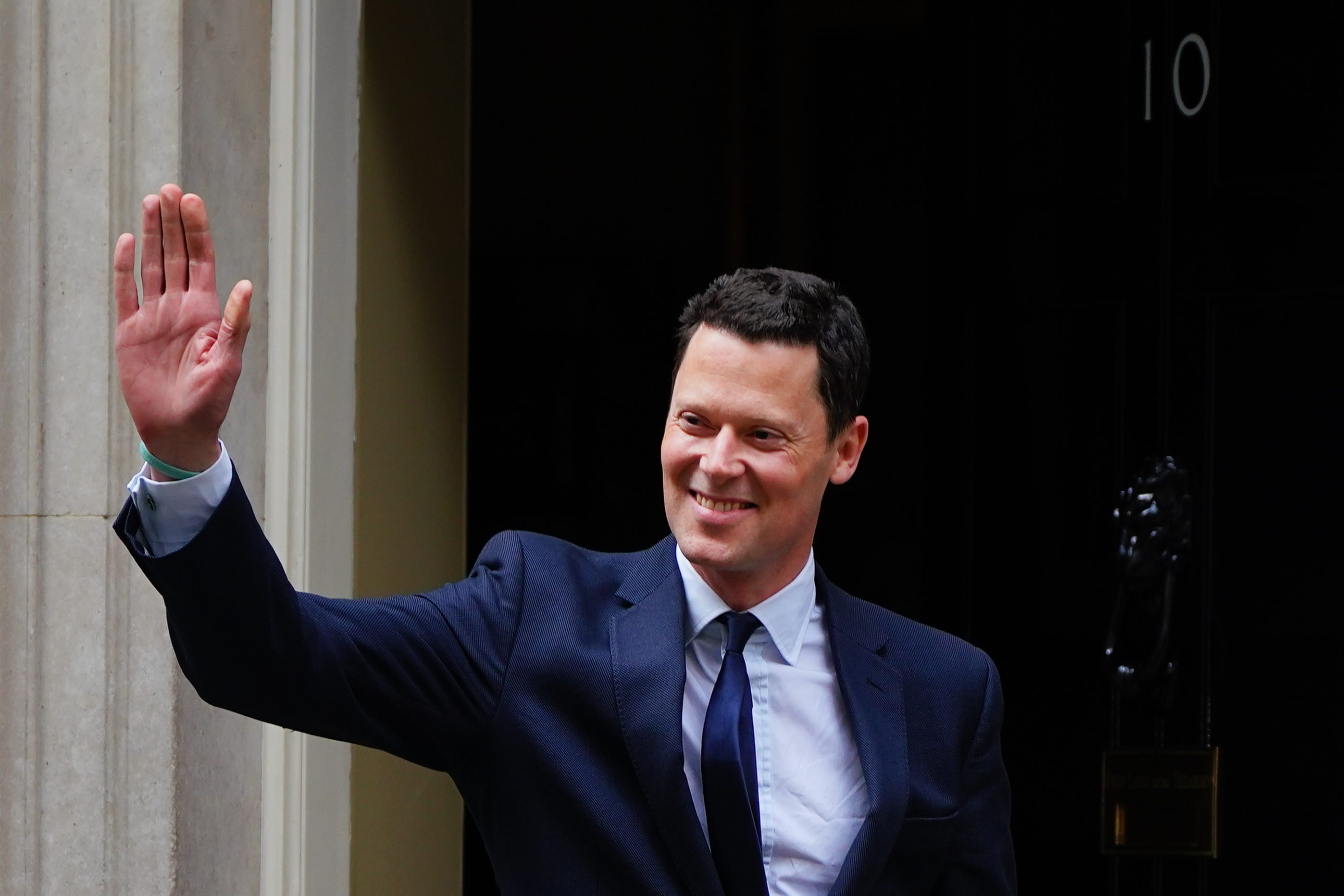
Many people would call Chalk bold, standing for re-election despite almost certainly losing his seat, and with such a low chance of winning. However, choosing to face humiliation on election night rather than just accepting that you’ve had your time can only be described, in our opinion, as ‘stupid’.
Michelle Donelan
Chippenham;2 conclusion: MARGINAL
When the Lib Dems took the seat marginally in 2010, it was the first time a non-Tory had taken the seat since since the 1920s.3 However, with such a disastrous five years, it is no surprise that it will join its neighbour Bath in what is quickly becoming a ‘orange wall’ - a group of constituencies in the south-west of England that rose in 2010, and fell in 2015.
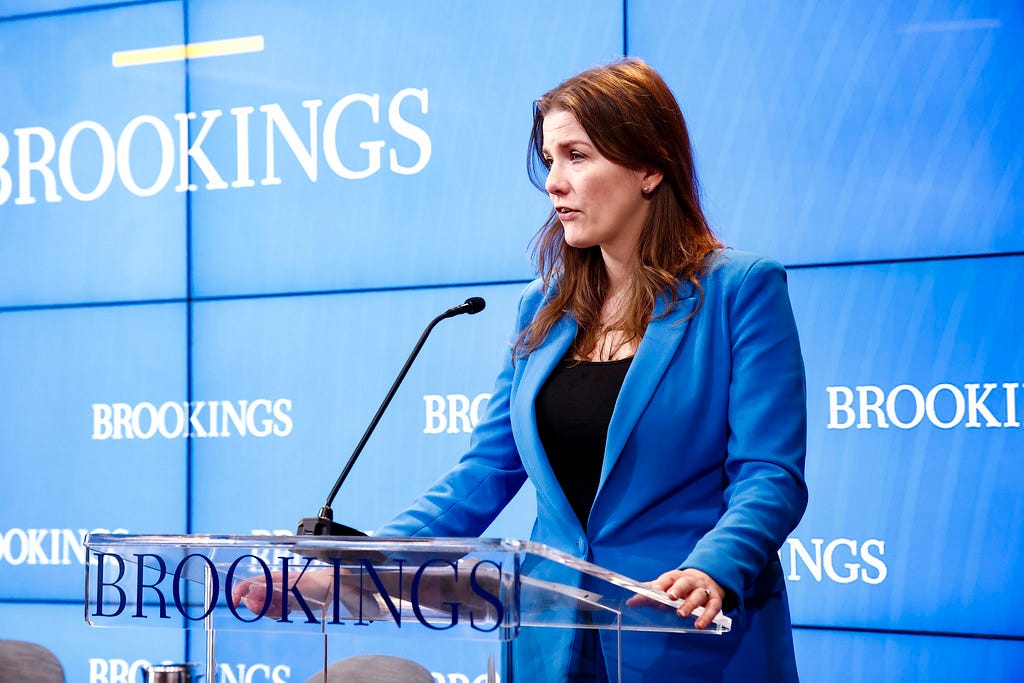
But not all is as it seems - Donelan has jumped ship for the nearby and newly created ‘Melksham and Devizes’ constituency, just south to her current one. It boasts an implied majority of 29.2%, which looks like it may just keep her safe from the lib dem threat - it currently sits on the border of this predicted ‘orange wall’, and we believe that it’s too close to call at this point in time.
Michael Gove
Surrey Heath; conclusion: SAFE
No number of Tory votes can put Gove in parliament. Not just because of his 11% popularity rating according to YouGov, but because he’s not standing. He’s the complete opposite of Chalk - standing down in a safe seat. Could he by trying to prevent becoming the 2024 equivalent of Portillo’s ousting in 1997? I certainly wouldn’t watch Great British Railway Journeys if he was the presenter! The decision to stand down has been a big blow to the Tories - even though he is hated, his exodus has been seen as a sign of a new peak in Tory infighting and discontempt.
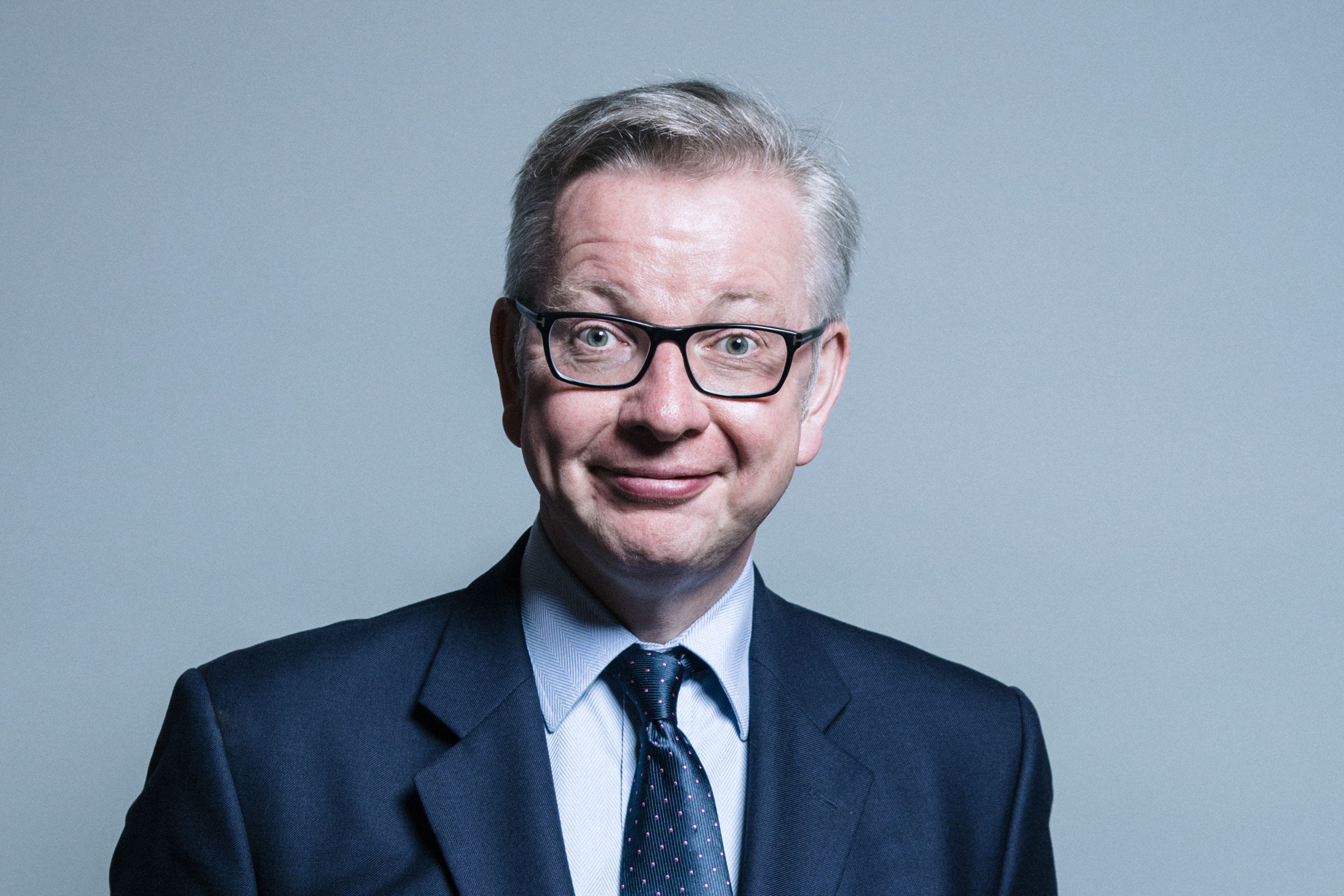
While his 15,500 vote majority of 2019 was impressive, it was decreased from previous elections - a sign anti-Tory sentiment was already growing. That being said, polls suggest that his vote share seems to have stayed put to a much further extent than fellow MPs - although that doesn’t mean much: it’s still predicted to half according to Electoral Calculus. But unless we see spectacular co-ordination, specifically between Labour and the Lib Dems, even the tactical vote probably won’t be enough to kick his successor out.
This is especially true because he’s not exactly the Tories’ Corbyn - it would be surprising to see a result indicative that people were voting for him rather than the party. It is also important to consider that his seat is very right-wing: the Lib Dems could take the seat if they campaign on the side of the party further to the right - again, it is a matter of co-ordination and tactics, exactly what elections shouldn’t be.
Victoria Atkins
Louth and Horncastle; conclusion: SAFE
In every election since Atkins’s seat was created in 1997, the Conservative majority has increased, culminating in a whopping 29,000 votes in 2019, with a 55% majority - Atkins received over four times as many votes as the second place Labour candidate. And while the Tories have been losing waves of voters across the country, the boundary changes may have saved the day for Atkins - she’s inherited some incredibly Tory wards that have propped up her chances of staying significantly. And so it is safe to say that while she may not be Health Minister come the fifth of July, she will still be an MP.

However, it will be interesting to see how much of a local presence the incipient far-right party can build in its strongest areas, as it looks to set a platform for elections to come. If it is to ever come close to materialising its claims of becoming the main right-wing opposition to Labour, this is the kind of seat the party will have to win. And whatever Tice will have you believe, the chances of this remain fairly slim.
Steve Barclay
North East Cambridgeshire; conclusion: SAFE
Similar to Victoria Atkins, Barclay has a gigantic majority in his seat - he makes Atkins’ vote share look easy with a majority of 56.6%. As seen with many other MPs we’ve covered so far, these kinds of majorities are simply too big to break in a single election. Despite swathes of voters being expected to turn to Reform UK, and to a lesser extent the Labour Party, him losing his seat would be so unheard of that it’s barely worth discussing - even if all voters tactically rejected him at the polls, he’d need a 25% swing to lose.
Penny Mordaunt
Portsmouth North; conclusion: LOST
Once propagated as the next Prime Minister, Penny Mordaunt would now be fortunate to a Member of Parliament on the fifth of July. Her implied 15,780 vote majority will undoubtedly be smashed to pieces. While it is Labour who will take her seat, her demise can be accredited primarily to Reform UK - the sum of the Tory and Reform predicted vote, according to Electoral Calculus, would just be enough to keep her in Parliament. This is a clear example of how Richard Tice’s party gift Labour landslides by dividing the right wing.
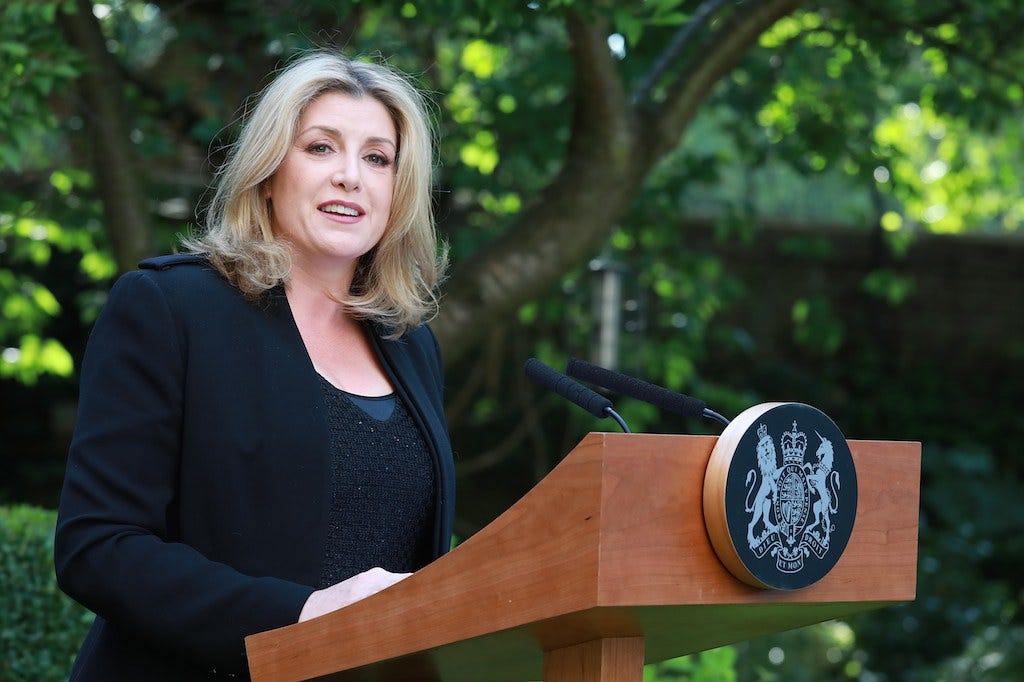
The truth is, whether or not you think that Mordaunt is a good MP, that this is a direct consequence of First Past the Post - an honest vote is so often effectively a vote for a party with very different policies. As Boris Johnson said in a letter to West Midlands’ residents (which clearly didn’t pay off), “every vote for the Reform party will make a Labour win more likely”.
While Mordaunt has a little more hope for survival than some newer Tory backbenchers, her senior status is unlikely to save her from sharing their fate.
Lord True
Conclusion: N/A
Similarly to Cameron, Lord True does not have a seat in the House of Commons, and therefore has nothing to worry about in the upcoming election. Lord True has never sat in the Commons, so we don’t have anything to say on former seat(s).
Kemi Badenoch
Saffron Walden;4 conclusion: MARGINAL
When it comes to safe seats, Badenoch’s 43.7% majority only becomes more impressive when combined with the fact that the seat has been Conservative since the 1920s. However, representing a safe seat is no longer relevant as a Conservative MP, as we predict that Labour may well take the seat, especially with the tactical vote against Badenoch.
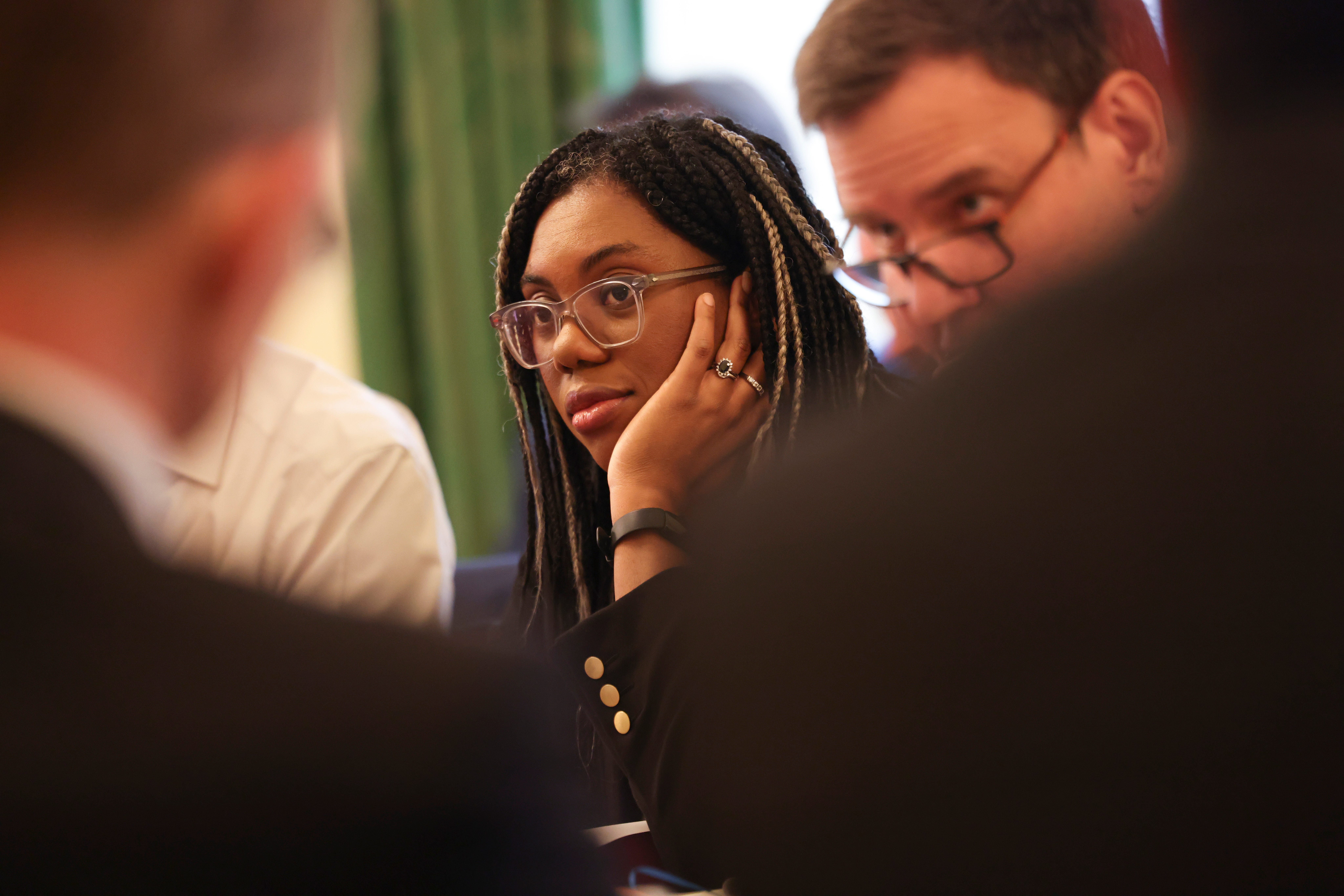
While it’s not clear at the current time whether or not Labour will manage to take the seat, it just goes to show how monumental the swing from the Conservatives is, and how the upcoming election will be truly historic.
Claire Coutinho
East Surrey; conclusion: MARGINAL
This is definitely to watch out for on election night - Coutinho’s 24,000 vote majority (that’s about 40%) may not be enough to save her. The truth is, the side able to get the tactical vote will win - Labour and the Lib Dems have enough to win between them, but so do the Conservatives and Reform. However, you may find that Lib Dems are more likely to tactically vote Labour than Reform voters are to tactically vote Conservative - especially seeing as the majority of the Reform vote share are those who’ve abandoned the Tories.
Mel Stride
Central Devon; conclusion: LOST
Stride’s constituency is situated in the seemingly rebellious South West - between the Lib Dems and Labour, the Tory seats here may well be all but wiped clean by July 5th.
Even Stride’s 30.4% majority will not nearly be enough to save him - Electoral Calculus predict a 23% swing from Conservatives to Labour, far above the 16% needed. In this election, a 15% swing is easy in a constituency like Stride’s. So what’s his chance of returning to Parliament on July 5th? Probably negligible.
Gillian Keegan
Chichester; conclusion: LOST
Like Stride, Keegan’s majority will be nowhere near enough to save her. She received 21,000 more votes than the second-place Lib Dems in 2019, a majority of 35.1%. The boundary changes have increased that to 37%. Normally, it would be completely unheard of for an MP to lose their majority for a not even marginal result, but nonetheless that is our prediction.
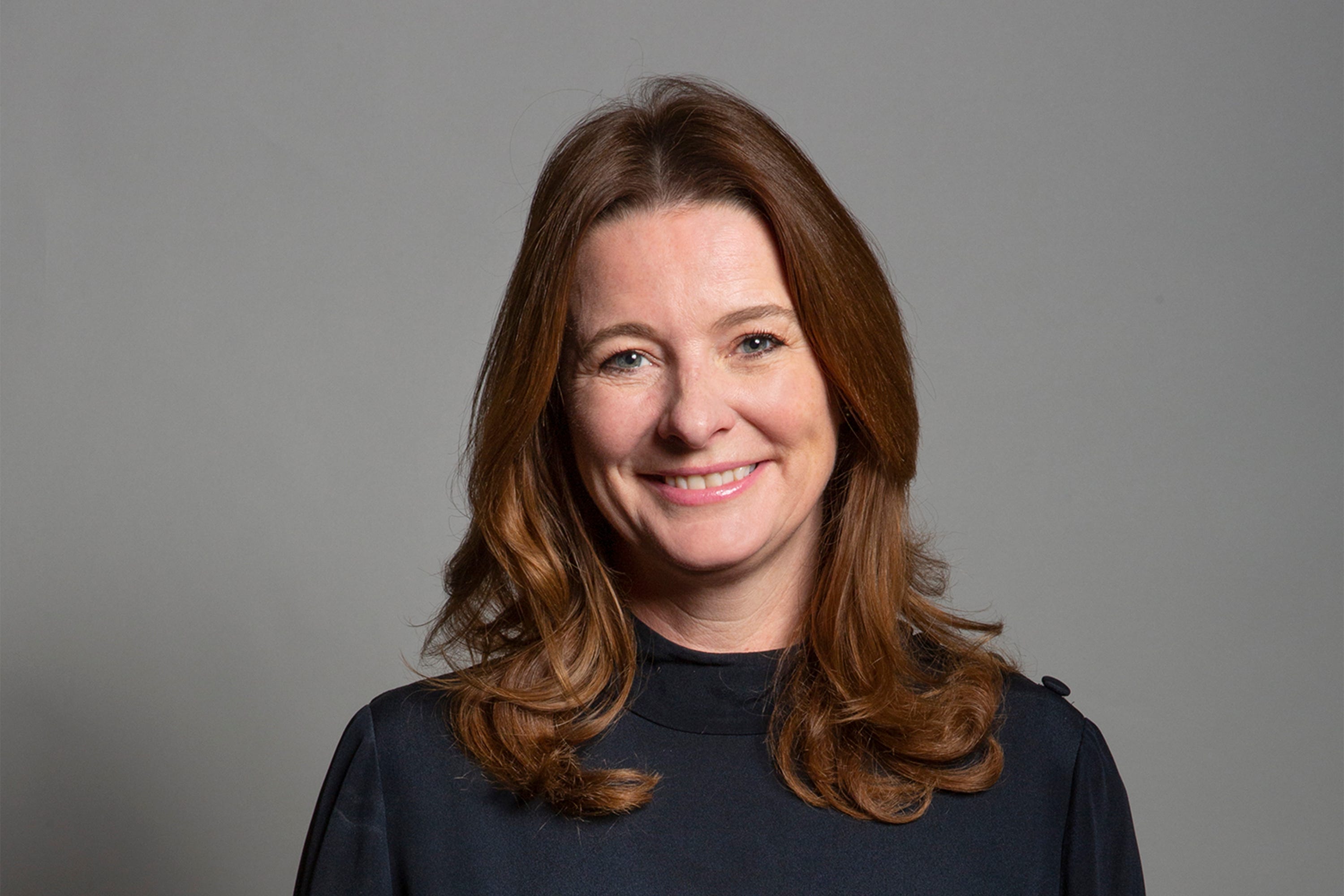
The reason that Keegan will probably lose her seat is a combination of multiple factors that seemed to have doomed many MPs like her - the mix of lost Tory voters to Reform and the other parties, combined with the willingness of many to tactically vote against her, will likely be her downfall, as her seat swings away out of her control.
Mark Harper
Forest of Dean; conclusion: LOST
Harper’s fate will be rather similar to Keegan’s, and that of so many other Tories - the injustice of First Past the Post is that when people vote Reform, it is Labour who benefit. Tice knows this and doesn’t care, but it will be one of the main reasons for the massive Tory losses in the election: Reform can’t win any seats, but they can certainly win Labour and the Lib Dems seats.
The second thing that’s doomed Harper, as so many others, is of course the tactical vote. While many feel that voting tactically is unhelpful for them, and that it doesn’t achieve anything, the new highs of anti-Tory sentiment may convince many to vote for the candidate most likely to oust their Tory MP.
This is the case for Harper, Keegan, Stride… the list goes on and on. Harper’s seat simply will not survive the combination of these factors.
Lucy Frazer
South East Cambridgeshire;5 conclusion: MARGINAL
Surprisingly, with only a majority of 17.8% in 2019, Frazer may well make it back into Parliament this June. It seems her constituency is split three ways between the Conservatives, Labour, and Lib Dems, and currently it’s too close to call which one will win.
The considerably redrawn boundaries have raised her majority to a much more comfortable 24.1%, but it is still a three-way battle for power. However, if the Lib Dems and Labour combine with the tactical vote, then Frazer is losing 2:1. However, it is not clear to the electorate who should tactically vote for whom, and so this may leave voters to disorganised to tactically kick out their Tory MP.
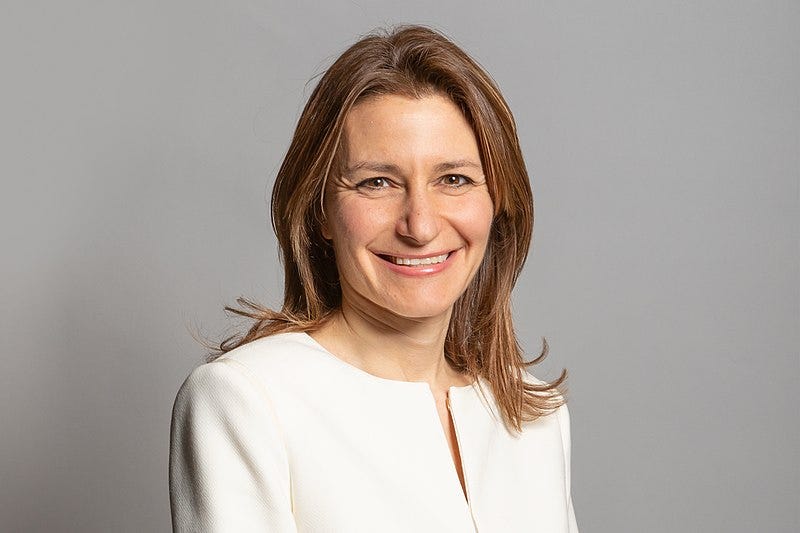
Equally, the Reform vote is incredibly important for Frazer. She could definitely keep her seat if she wins their ballots, and the Lib Dems and Labour remain disorganised and fail to vote tactically. For now, it is by far too close to call, and one to look out for in coming weeks.
Richard Holden
Conclusion: N/A
The boundaries in Holden’s area (just West of Durham and Newcastle) have changed dramatically since 2019. His constituency has been abolished, and split up between four others.
He hasn’t confirmed if and where he’s standing, so we can’t provide any insight unfortunately. We can, however, say that all four constituencies are almost certainly going to return Labour MPs at the forthcoming election.
Chris Heaton-Harris
Daventry; conclusion: MARGINAL
Chris Heaton-Harris will not be standing for re-election this year, but we’d still like to to take a look at the seat he’s been representing since 2010. He took a brilliant 45.2% majority (that’s 26,000 votes!) in 2019. Like Coutinho, the swathes of voters leaving the Tories have reduced that to a point where the constituency is marginal, but not enough that his replacement will certainly lose. It’s a hard one to call, and certainly one to come back to nearer the time, and keep an eye out for on election night.
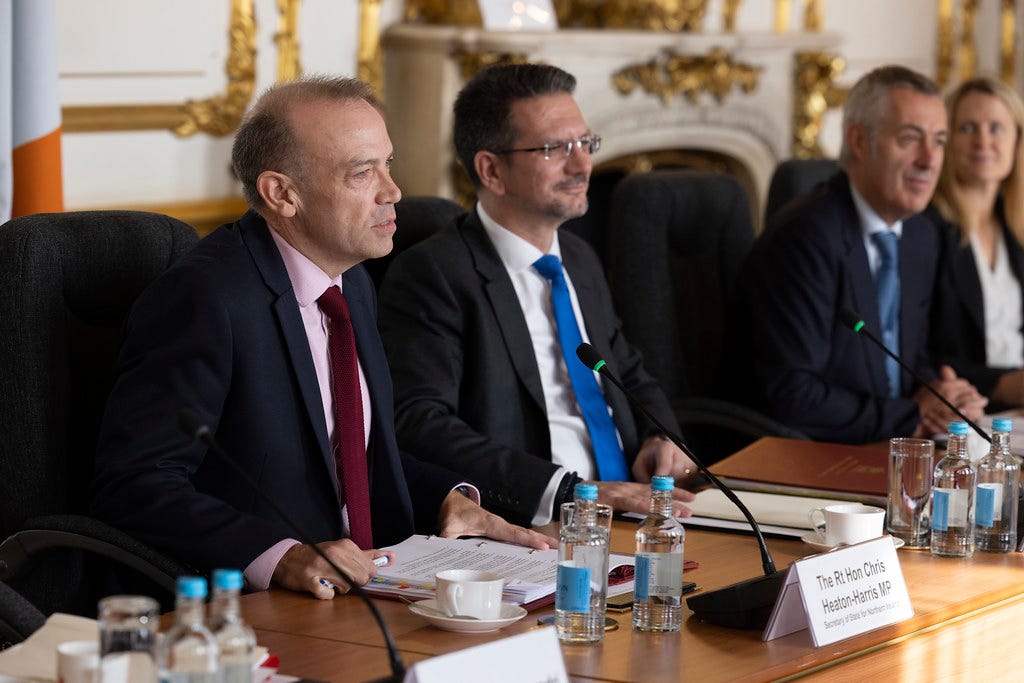
The tactical Lib Dem vote for Labour would probably be enough to send the result one way. Equally, Reform voters preferring Tory over Labour would send it the other. One of the difficulties with First Past the Post, and indeed Reform, is that lots of people may well cross the Tory box on polling day, as not all necessarily share Tice’s view that a Labour MP is ‘just as bad’ as a Tory one, and that voting tactically is pointless. It also must be considered whether voters have trust in Heaton-Harris, which they may not share in the new Tory candidate, especially with the current attitude towards the Conservatives. Either way, one to look out for.
Alister Jack
Dumfries and Galloway; conclusion: MARGINAL
Alister Jack has called it a day, and stepped down ahead of the general election. Another three-way constituency, what he leaves behind is a fight between the Tories, the SNP, and Labour. It’s a much more interesting dynamic between the three parties than with the Lib Dems, as all three parties are seen as major seat-winning parties. The SNP has lost a lot of voters to Labour, but their combined pressure on the Tories remains, especially because of the Tories’ lost votes to Reform.
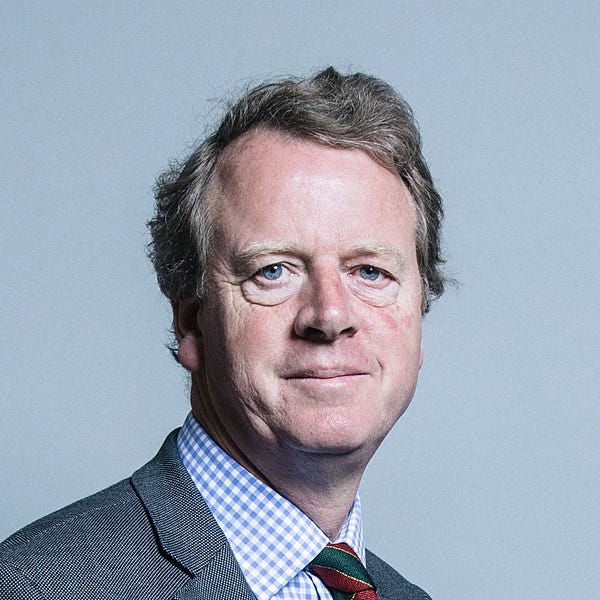
Once again, this one comes down to tactical voting - it is all a game of who will vote for whom: will Labour voters tactically vote for the SNP or vice-versa? Will Reform voters be willing to vote tactically? But the most important factor is the transparency: it is not clear to voters how to vote tactically, and if anything secures Jack’s successor’s seat in the Commons it will almost certainly be that.
The website tactical.vote, which suggests to voters how to tactically vote against the MP in their constituency, alleges that you should vote for the SNP. However, their reasoning does not factor that the SNP’s reputation has been severely damaged, and Labour would now probably be better for kicking out the Tories.
David Davies
Monmouthshire; Conclusion: LOST
The combination of ‘Conservative’ and ‘Wales’ is not one that’s predicted to survive the election in any way. Despite Sunak’s repeated blows at the Welsh government, the electorate seem to be happy to vote them in across the country.
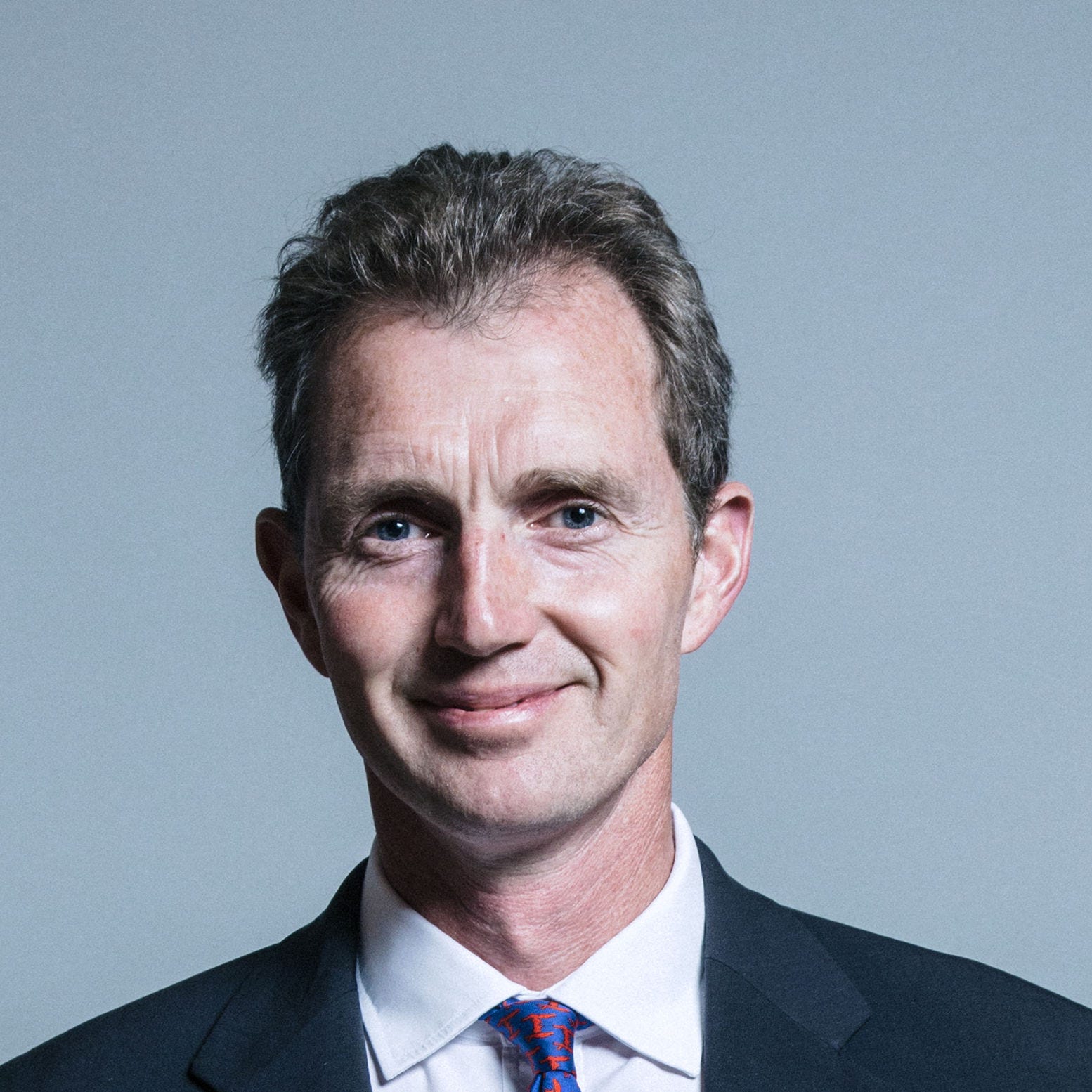
It should be no surprise, therefore, that Davies’ seat will be one of many to fall to Labour or Plaid Cymru. And the scale of this is groundbreaking - Davies’ implied 2019 majority of 19.7% is expected by Electoral Calculus to be replaced with a Labour majority of 22% - the swing reaching over 20%. Even a union of Reform and Tory voters coming together to try keep Davies in would not nearly be enough to save him from Labour.
Conclusions
6 seats SAFE (-1 standing down)
7 seats MARGINAL (-2 standing down)
7 seats LOST
3 seats N/A6
Thanks so much for reading all the way through our article (or just scrolling to the bottom). This has taken us two days to write, which is why we didn’t release an article yesterday. We will release an updated version in one month’s time, detailing how the landscape has changed. You can support us by spreading the word and subscribing free of charge. We are non-profit and will never ask you to pay for our articles.
This article was written by Jacob Shaw with some content graciously provided by Raffy James. Thank you to ratttertintattertins on Reddit for suggesting that we add the constituency names.
Hunt is standing in Godalming and Ash, which has been newly created partially from his old seat.
As mentioned later, she is standing in the nearby and newly created ‘Melksham and Devizes’ constituency.
Although, to be fair, the seat didn’t actually exist between 1983 and 2010.
Renamed to ‘North West Essex’. However, the boundaries are almost identical.
Renamed to ‘Ely and East Cambridgeshire’, coinciding with major boundary changes.
Two Lords and and an unknown
Also it will be disappointing for the Lib Dems if they don't win Lucy Frazer's seat
I think Gove's former seat Surrey Heath will be tighter than you think